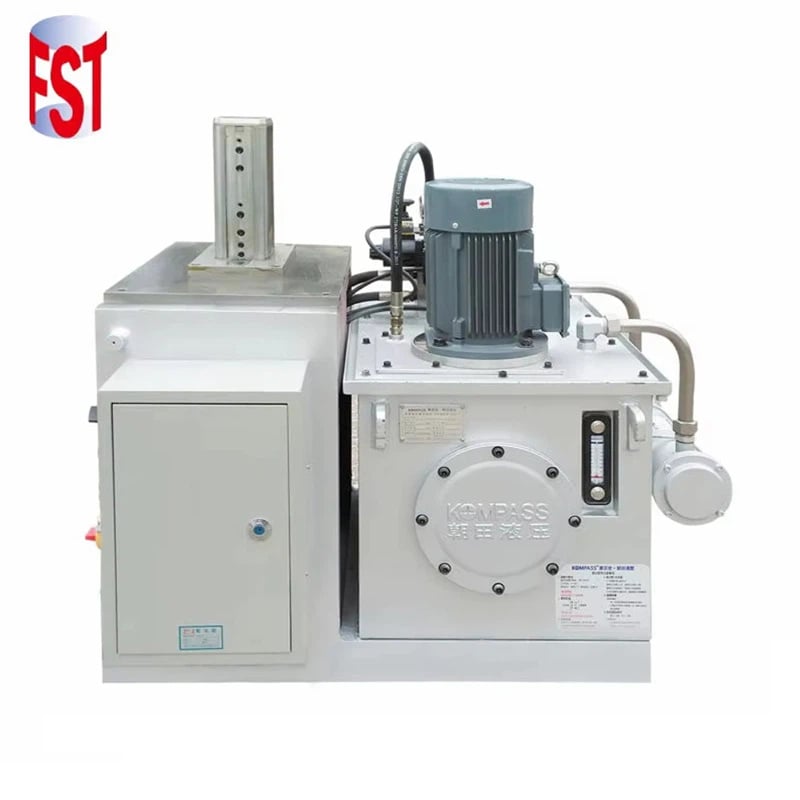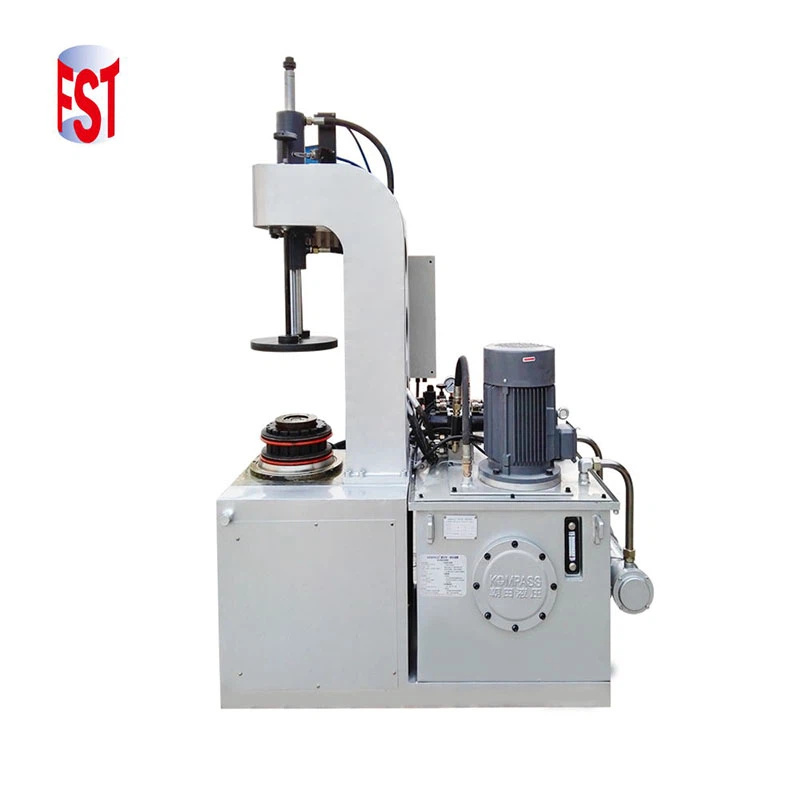
What is the production process of metal three piece cans?
The production and manufacturing of tin welded three piece cans are divided into three steps: processing of the can body, processing of the can cover, and combination processing of the can body and can cover.
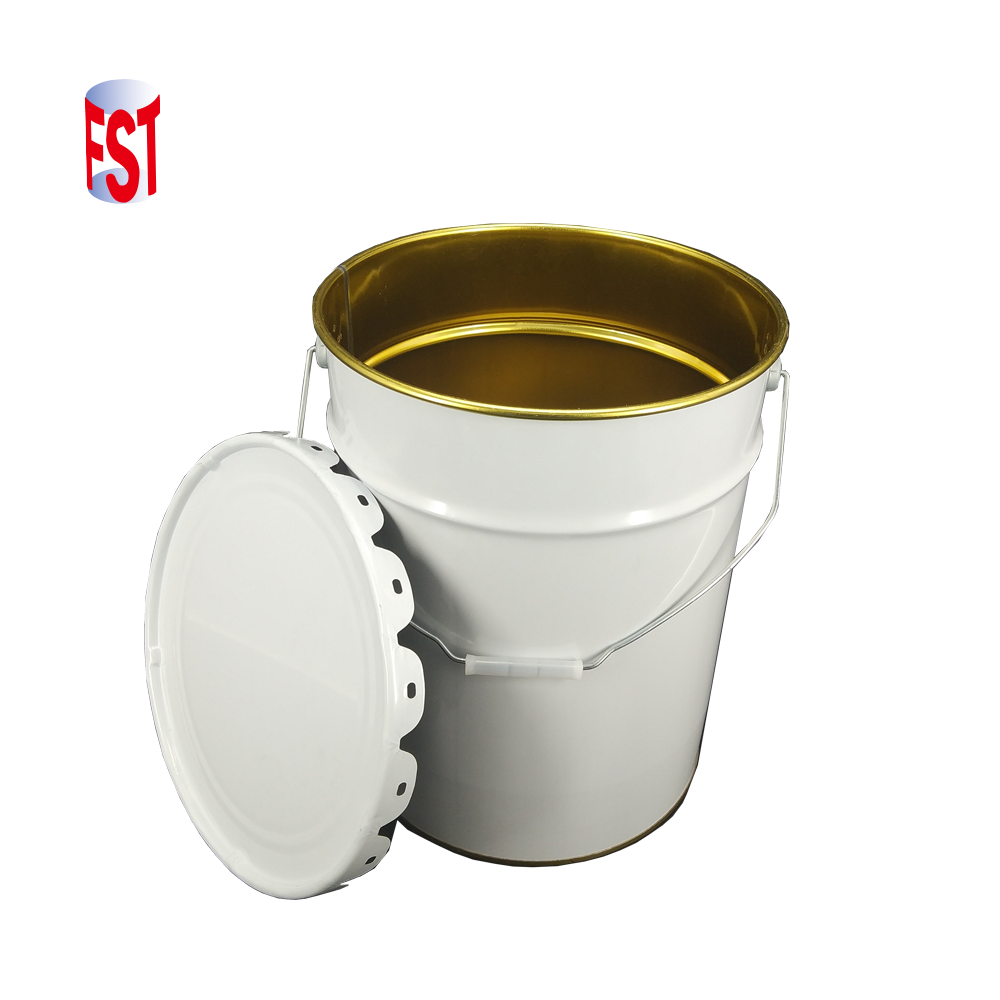
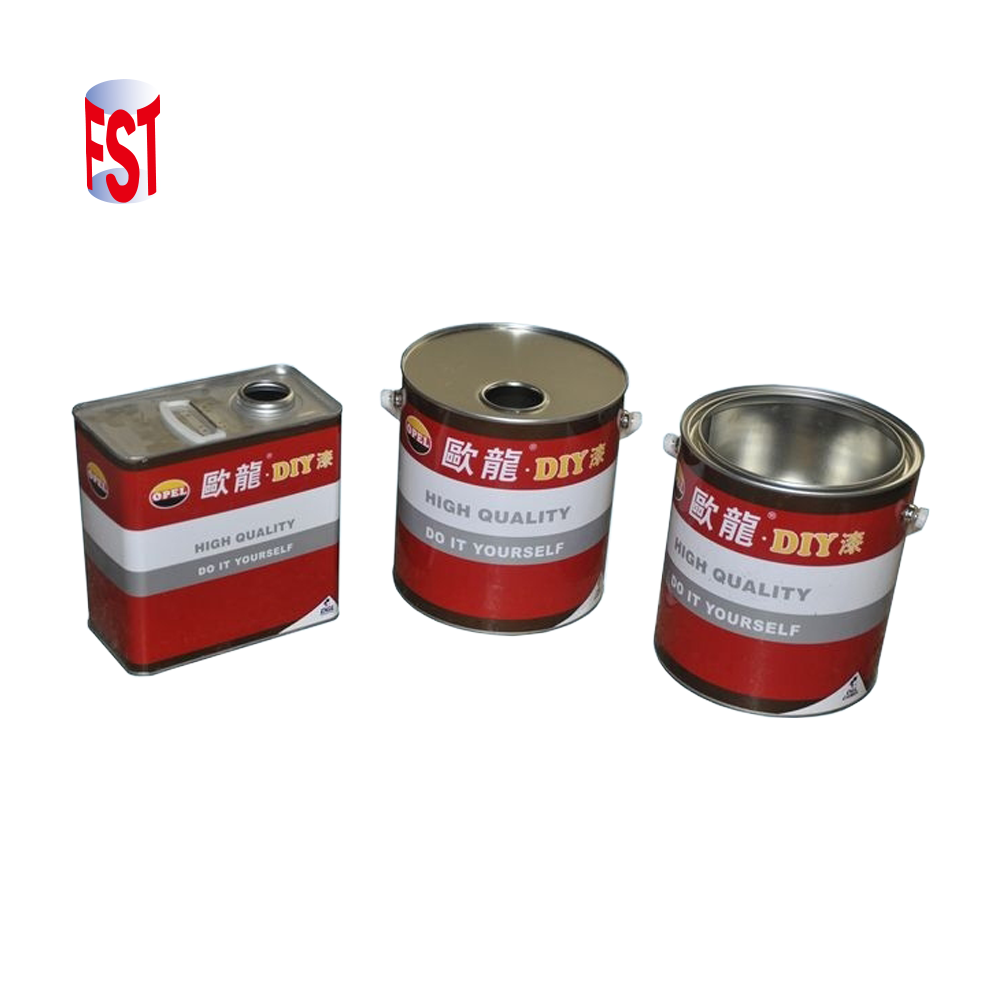
(1) Generally speaking, the processing workflow for the can body is as follows: cutting and blanking → can body blank preparation → bending → corner and notch cutting → end folding → rounding → applying welding flux → flattening → soldering → wiping off tin residues → cooling → flanging → completion of the can body.
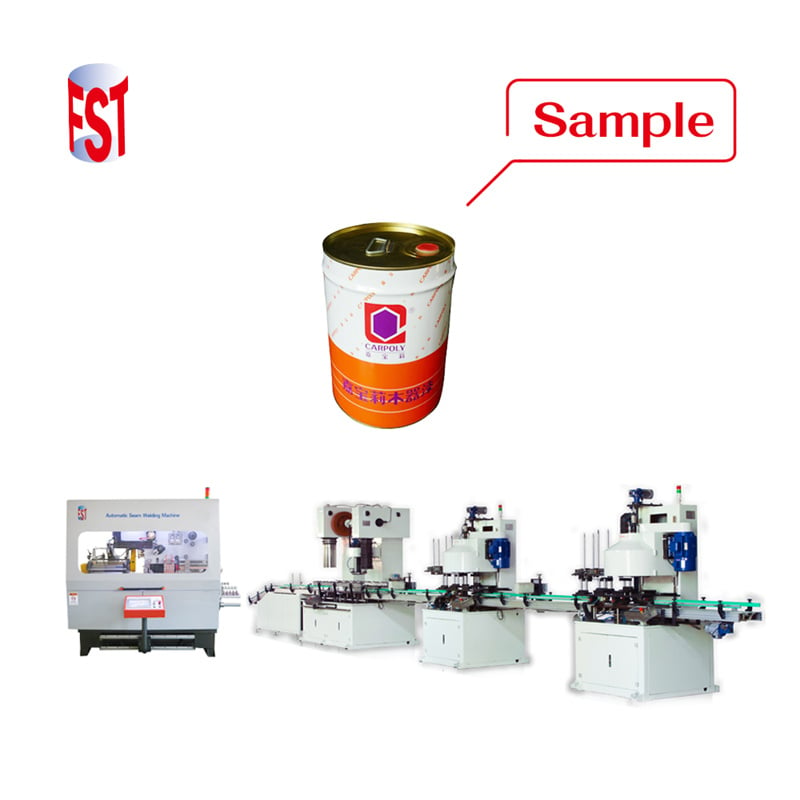
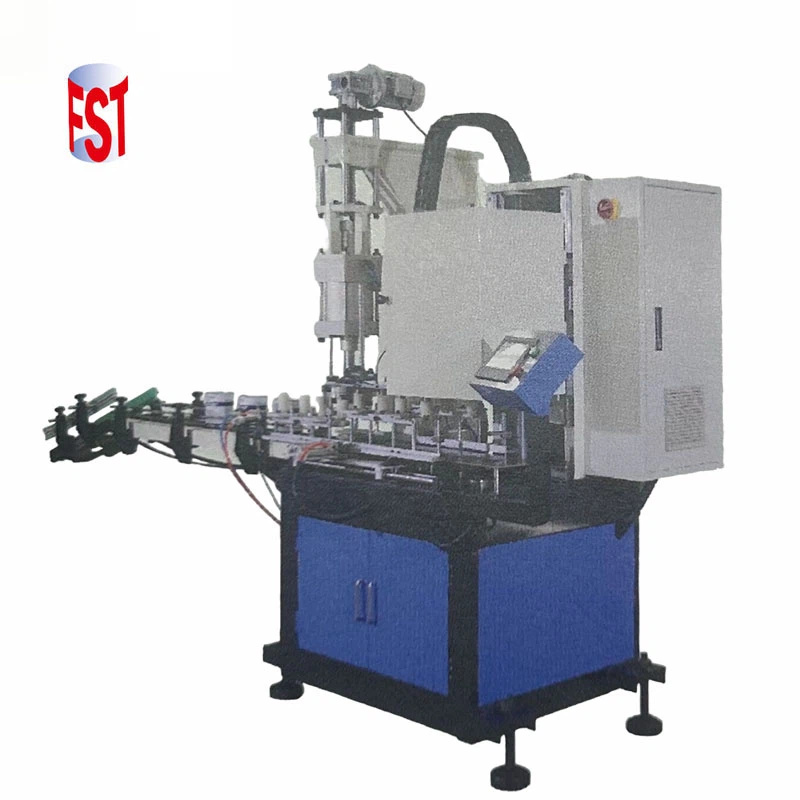
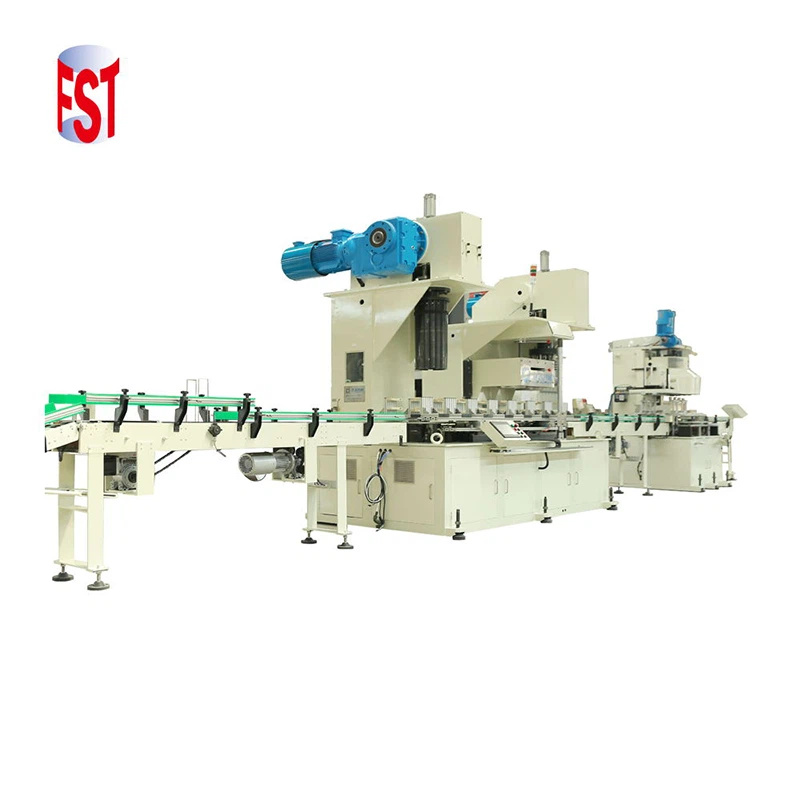
Firstly, the tin plated steel sheet is cut to the required specifications (length and width) for the can body, forming the can body blank;. After bending, oblique angles and notches are cut at both ends of the blank, and the can body is bent to create a longitudinal joint hook (i.e., end folding). The folded can body sheet is then rolled into a cylindrical shape, with the hooks of the longitudinal seam merged and pressed to form a longitudinal seam (i.e., flattening), and welding flux is applied at the seam. After preheating, soldering is performed, followed by wiping off excess tin shavings;residues. After cooling, a mold applies compressive force to the circumference of both ends of the can body, forming an outward flaring mouth (i.e., flanging), thus completing the entire processing of the can body. There are two primary methods for processing can bodies: semi automatic can making equipment and fully automatic can making equipment. The specialized equipment for manufacturing round can bodies in semi automatic can making stems typically includes shearing machines, corner cutting machines, end folding machines, rounding machines, flattening machines, tin welding machines, and flanging machines. In fully automatic can making systems, the specialized equipment generally comprises automatic dual round knife shearing machines, automatic combined can making machines, and automatic flanging machines. The automated continuous production line, composed of these three types of automated equipment, significantly enhances can making production efficiency.
(2) The processing workflow for the can cover is as follows: cutting and blanking → oiling → stamping → curling → sealant application → drying → completion of the can cover. During can cover production, the tin plated steel sheet is first cut into strips with corrugated edges (to improve plate utilization ). After oiling ( which reduces mechanical scratches on the plates during stamping), the corrugated strips are stamped on a stamping machine into can cover blanks ( comprising stiffening rings, flat surfaces, and bevels). The hook edges are then rolled without using a crimping rolling mechanism, sealant is injected into the hook edges of the cover, and after drying, a can cover with an elastic film is formed, thus completing the entire processing of the can cover. There are two main methods for processing can lids: semi automatic lid making machinery and fully automatic can making machinery. The production efficiency of semi automatic lid making machinery is relatively low since each process is completed on separate machines. Fully automatic can making machinery includes waveform pressure cutting machines, automatic stamping machines, automatic can lid curling machines, can lid sealant application machines, and drying machines.
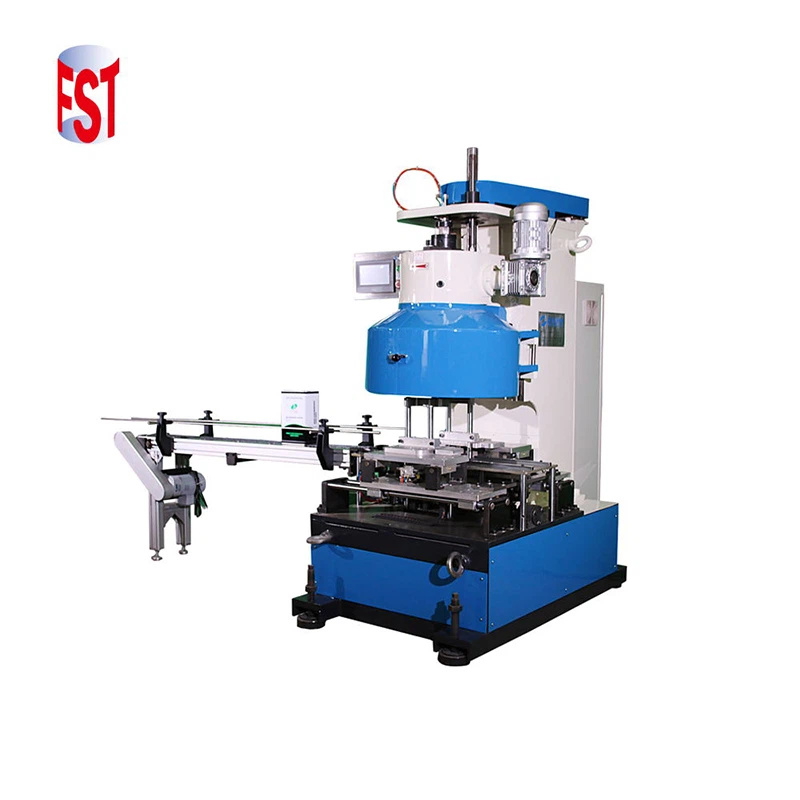
(3) The combination processing workflow for the can body and can lid is as follows: can body feeding → can lid placement → double rolled edge sealing → completion of empty can processing. After the can body and lid have been processed, they are ready for sealing. The can the lid is placed on the can body and sent to the lower pressure head of the sealing machine for positioning. The lower pressure head rises, clamping the can body and lid together with the upper pressure head. The the sealing flange of the can body and lid is then double rolled and sealed by the rolling sealing head. After completing the rolled edge sealing, the lower pressure head descends, and the empty can is discharged by the discharge device, completing the combination processing of the can body and lid, and thus the entire processing of the empty can. After further necessary treatments, the empty cans, can be used for product packaging. After filling the product another can lid is sealed to complete the packaging process of the entire metal can. The combination processing technology for the can body and can lid, namely the sealing combination of the can body and can lid, primarily employs an automated sealing machine, also known as an empty can sealing machine ( to distinguish it from the sealing machine used during packaging; of course, the empty can sealing machine can also seal metal cans after they have been filled with materials). It mainly includes an automatic can feeding device, an automatic lid feeding and placement device, a rolled edge sealing device, etc. Among these, the rolled edge sealing device is the core component of the sealing machine.
 Hot News
2026-03-12
2026-02-12
2026-01-08

Suzhou First Packing Machinery Co., Ltd. was established in 1997 and is a professional manufacturer of resistance welding machines, can making machines, and barrel making equipment.
 EN
EN