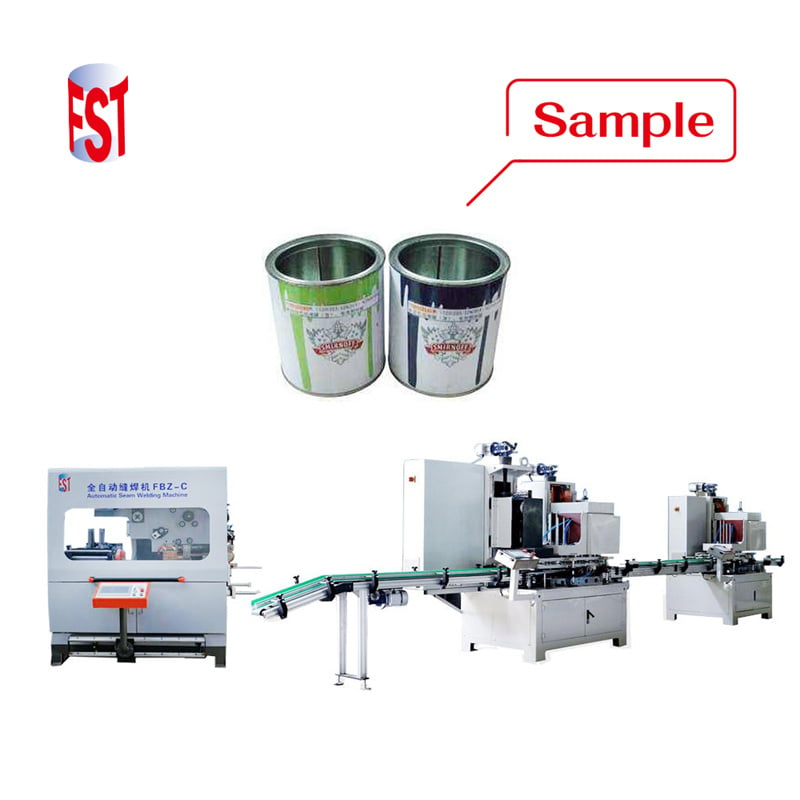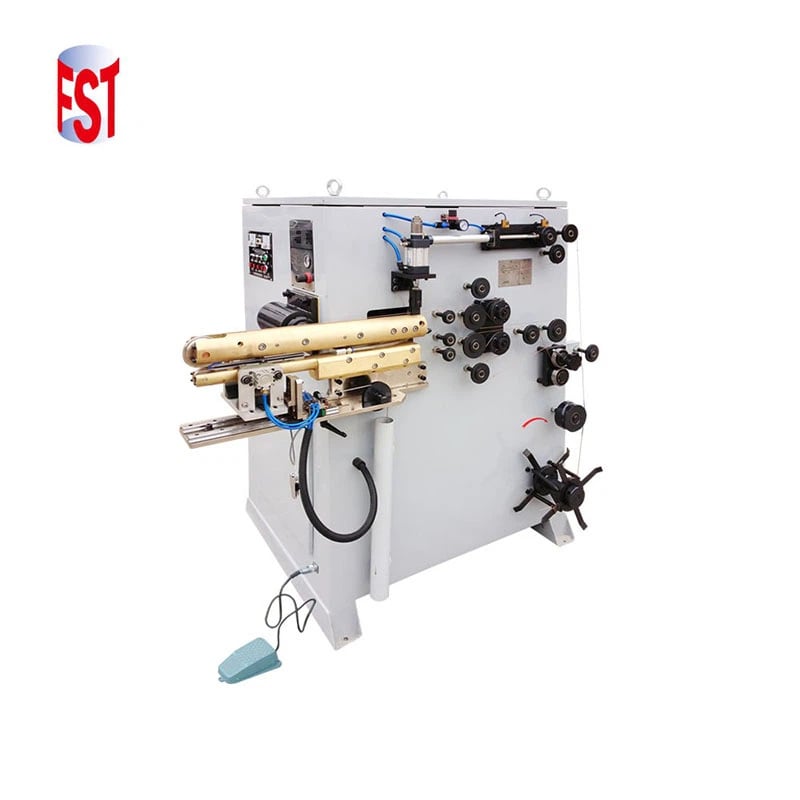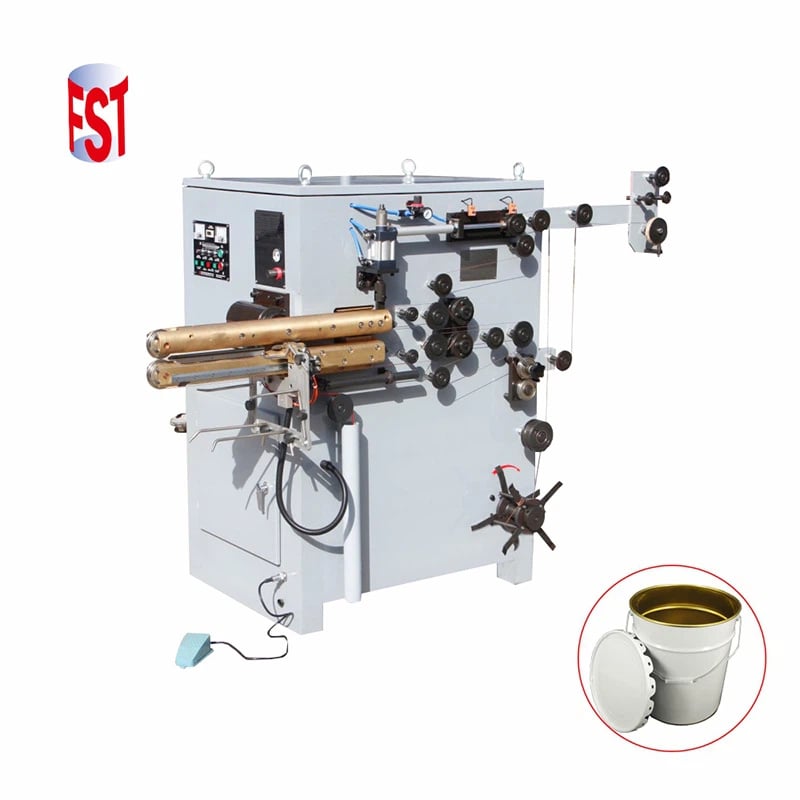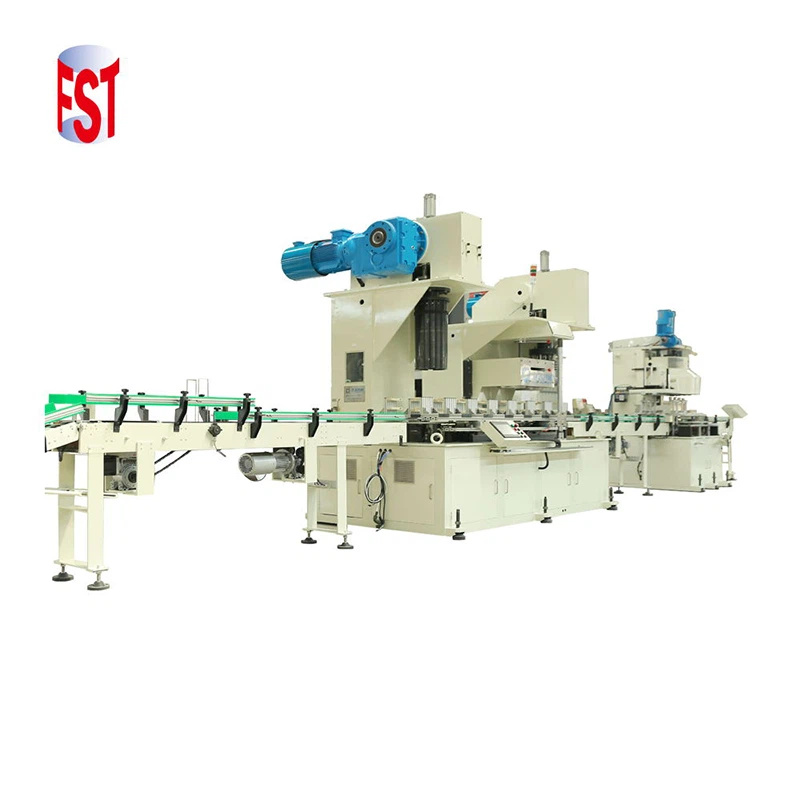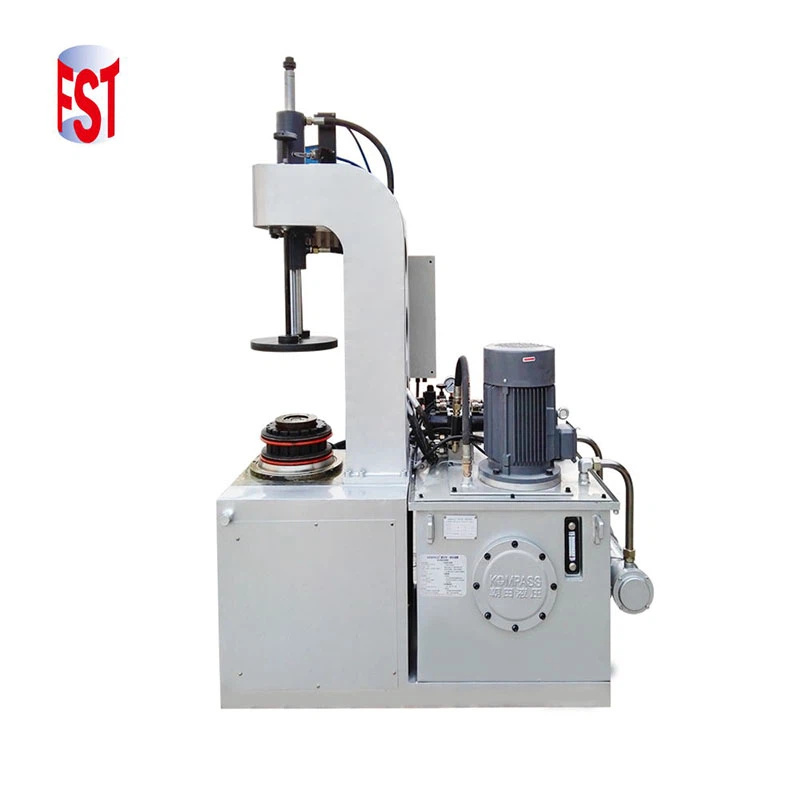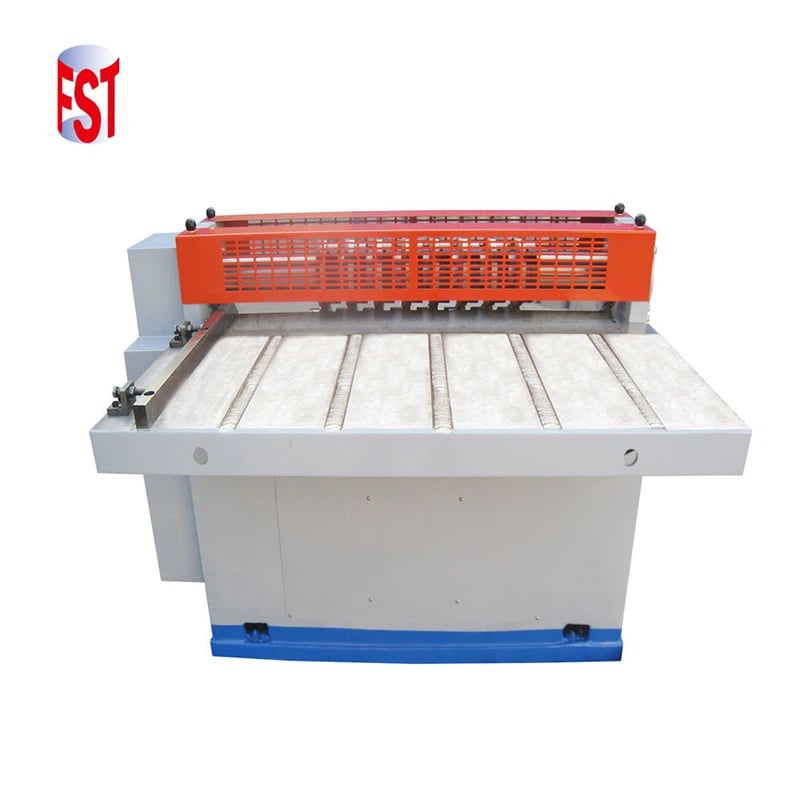
The shape, size, and sealing method of metal cans are constrained by can-making equipment. Currently, many metal containers, particularly those used for canned food and industrial materials, have standardized specifications, sizes, and structural forms. This high level of standardization not only improves production efficiency but also ensures compatibility across different stages of manufacturing and filling. At the same time, the standardization and normalization of metal containers have also driven the development of standardized can-making machinery, simplifying the molding and manufacturing process and reducing production errors.
Therefore, the structural design of metal cans essentially involves selecting the appropriate can type, material, sealing form, and exterior decoration based on user requirements, product positioning, and market demand. In addition, factors such as transportation conditions, storage environments, and consumer usage habits should also be considered. The determination of the can structure must balance packaging performance with manufacturing feasibility and cost control, ensuring both functionality and market competitiveness.

(1) Cylindrical cans, compared to other irregularly shaped cans, are not only easier to produce but also consume less material, which has a direct impact on overall production costs. From a geometric perspective, cylindrical structures provide optimal strength while minimizing material usage. Under the same capacity, regular hexahedron containers can consume up to 40% more material than circular cans. This difference becomes especially significant in large-scale production, where even small material savings can translate into substantial cost reductions.
However, from the perspective of blanking efficiency for circular lids, the utilization rate during optimal blanking typically reaches only about 80%, meaning there is still some material waste. Despite this limitation, cylindrical cans remain the preferred choice in most cases due to their balance between strength, cost, and manufacturability. Therefore, when designing metal cans, cylindrical shapes should be prioritized whenever possible to achieve material conservation and cost efficiency.
In contrast, irregularly shaped cans, although visually distinctive and potentially more attractive on retail shelves, come with significantly higher production costs—often more than twice those of cylindrical cans. Their complex structures require specialized tooling, lower production speeds, and more complicated quality control processes. As a result, such designs should only be selected when strong branding or differentiation is required.
Additionally, the choice between two-piece cans and three-piece cans also plays a crucial role in design decisions. Two-piece can production lines offer higher efficiency, fewer leakage points, and better structural integrity. However, they require a much higher initial investment in equipment. Three-piece cans, on the other hand, are more flexible in size and require lower equipment costs but involve additional welding processes. These factors must be carefully evaluated when determining the most economical and practical can structure.
(2) When selecting the can shape and structure, it is essential to meet the packaging requirements of the contents. Different products have different physical and chemical properties, which directly influence the design of the can. The structure, shape, opening method, sealing form, bottom and lid design, and side seam construction must all be determined based on the characteristics of the contents and their intended use.
Common opening methods include cut-open, roll-open, and pull-open designs. Each method offers different advantages in terms of convenience, safety, and cost. For example, food cans typically use cut-open designs, while beverage cans favor pull-open lids for easy, immediate consumption. In some cases, such as lunch meat packaging, side roll-open square cans are used to ensure that the contents remain intact and visually appealing when opened.
Sealing performance is another critical factor. Sealing forms can be divided into airtight and non-airtight types. Food and beverage cans generally require excellent airtightness to preserve freshness and prevent contamination, making double-seaming structures the preferred choice. In contrast, non-food cans—such as those used for paints, coatings, chemicals, and engine oils—may prioritize resealability and durability over complete airtightness. These cans often need to be opened and closed multiple times during use, requiring robust lid designs and reliable sealing mechanisms.
For industrial products like paint, oil, and chemical packaging, functionality is often more important than decorative appearance. These cans must be easy to transport, resistant to impact, and capable of withstanding harsh environments. Features such as reinforced rings, thicker materials, and anti-corrosion coatings are commonly incorporated to enhance durability.
On the other hand, decorative or specialty cans—such as those used for cosmetics, tea, or confectionery—place a stronger emphasis on visual appeal and branding. These cans often feature unique shapes, high-quality printing, embossing, or special finishes to attract consumers and enhance perceived value.
Furthermore, design considerations may include whether to add expansion rings to the lid and bottom or to incorporate ring reinforcement around the can body. These features can improve structural strength, especially during stacking and transportation. The decision depends on factors such as filling pressure, stacking height, and shipping conditions.
When standard sealing structures are used, the complexity of size calculation and sealing design can be significantly reduced, allowing manufacturers to streamline production and ensure consistent quality.
In summary, when determining the structure of a metal can, it is essential to comprehensively consider multiple factors, including the characteristics of the packaged product, packaging requirements, production efficiency, equipment capabilities, and overall cost. At the same time, attention should also be given to market trends and consumer preferences to ensure that the final design is not only functional and economical but also visually appealing and competitive in the marketplace.
 Hot News
2026-03-12
2026-02-12
2026-01-08

Suzhou First Packing Machinery Co., Ltd. was established in 1997 and is a professional manufacturer of resistance welding machines, can making machines, and barrel making equipment.
 EN
EN