EN
EN

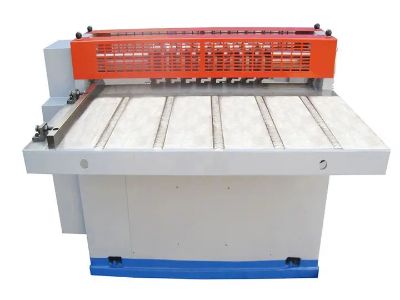
Key Factors to Consider Before Investing in a Tin Can Production Line
Investing in a tin can production line can be a smart decision for businesses looking to enter the packaging industry. Tin cans remain one of the most widely used packaging solutions because they are durable, lightweight, recyclable, and effective at preserving product quality. As demand continues to grow across the food, beverage, chemical, and industrial sectors, investing in the right production equipment can create long-term business opportunities.
Before making an investment, it is important to understand the factors that influence profitability, operational efficiency, and product quality.
What Should You Consider Before Investing in a Tin Can Production Line?
Before investing in a production line, businesses should carefully evaluate the costs involved. Initial expenses often include purchasing machinery, facility setup, labor, raw materials, maintenance, and utility costs. Having a clear budget helps prevent unexpected financial challenges during startup and expansion.
Market research is equally important. Is there strong demand for tin cans in your target market? Are there already established competitors serving the same customers? Understanding market conditions can help you identify opportunities and avoid unnecessary risks.
You should also determine the type of cans you plan to manufacture. Food cans, beverage cans, aerosol cans, and industrial containers may require different production processes and equipment. Choosing the right tin can canning machine for your target products can improve efficiency and reduce operational costs.
Location is another important consideration. Establishing your facility near suppliers and customers can lower transportation expenses and improve delivery times.
Finally, make sure you understand local regulations and industry standards. Manufacturing operations often require permits and compliance with safety, environmental, and quality requirements. Proper planning can help ensure smooth operations from the start.
How Production Line Efficiency Affects Wholesale Profitability
Efficiency plays a major role in determining the profitability of any manufacturing operation.
When a production line operates efficiently, businesses can manufacture more products in less time while maintaining consistent quality. Faster production allows companies to fulfill large wholesale orders quickly, helping build strong relationships with distributors and customers.
An efficient tin can machine also reduces labor and energy costs per unit. Lower production costs allow manufacturers to remain competitive while maintaining healthy profit margins.
On the other hand, frequent equipment breakdowns and production delays can negatively impact customer satisfaction and increase operational expenses. Wholesale buyers often require reliable delivery schedules, and any disruptions may lead them to seek alternative suppliers.
By investing in modern equipment, preventive maintenance programs, and employee training, manufacturers can maximize productivity and improve long-term profitability.
What Are the Common Challenges in Tin Can Production Line Investments?
While investing in a production line offers significant opportunities, businesses may encounter several challenges.
One common issue is the high initial investment required for machinery and equipment. Without careful financial planning, businesses may struggle to manage startup costs and operational expenses.
Employee training is another important consideration. Workers must understand how to operate machinery safely and efficiently to produce high-quality products. Insufficient training can result in production errors, material waste, and reduced efficiency.
Technology also evolves rapidly within the manufacturing industry. Investing in outdated equipment may limit production capacity and competitiveness. Modern automation systems and advanced tin can making machine technologies can significantly improve productivity and product consistency.
Raw material sourcing can present additional challenges. Fluctuations in steel and tin prices may affect production costs and profit margins. Establishing reliable supplier relationships can help reduce these risks.
Competition is another factor that businesses should evaluate carefully. Developing a strong quality reputation and offering dependable service can help manufacturers stand out in a competitive marketplace.
Where Can You Source Quality Components for a Tin Can Production Line?
High-quality components are essential for maintaining efficient production and producing reliable products.
Local suppliers can be an excellent source of raw materials and replacement parts. Working with nearby suppliers often reduces transportation costs and shortens delivery times. Building long-term supplier relationships may also lead to better pricing and service.
Online sourcing platforms provide access to a wider range of manufacturers and equipment providers. However, businesses should carefully evaluate suppliers by reviewing certifications, customer feedback, and product warranties.
Industry exhibitions and trade shows are also valuable resources. These events allow manufacturers to explore new technologies, compare equipment, and establish connections with trusted suppliers.
Regardless of the sourcing method, quality should always remain a top priority. Investing in reliable components helps reduce downtime, improve production consistency, and extend equipment lifespan.
How Can You Ensure Quality Control in Tin Can Production Operations?
Quality control is critical to producing safe, durable, and reliable tin cans that meet customer expectations.
The first step is establishing clear production standards and operating procedures. Every stage of manufacturing should follow documented guidelines to ensure consistency.
Regular inspections should be conducted throughout the production process. Equipment performance, material quality, and finished products should be monitored to identify and address potential issues before they affect production.
Employee training is equally important. Workers should understand quality requirements, production procedures, and the impact of their work on the final product. Ongoing training programs help maintain high standards and improve operational performance.
Detailed record-keeping can also support quality management efforts. Tracking inspection results, maintenance activities, and production data helps identify trends and areas for improvement.
Creating a culture that values quality encourages employees to take pride in their work and contribute to continuous improvement efforts.
Conclusion
Investing in a tin can production line offers significant opportunities for businesses seeking to serve growing packaging markets. Success depends on careful planning, efficient operations, reliable equipment, and strong quality control practices.
By selecting the right tin can canning machine, maintaining an efficient tin can machine, and investing in a modern tin can making machine, manufacturers can improve productivity, meet customer expectations, and build a profitable long-term business.
With proper preparation and ongoing optimization, a tin can production line can become a valuable asset that supports sustainable growth and competitive success.
Table of Contents
- Key Factors to Consider Before Investing in a Tin Can Production Line
- What Should You Consider Before Investing in a Tin Can Production Line?
- How Production Line Efficiency Affects Wholesale Profitability
- What Are the Common Challenges in Tin Can Production Line Investments?
- Where Can You Source Quality Components for a Tin Can Production Line?
- How Can You Ensure Quality Control in Tin Can Production Operations?
- Conclusion