EN
EN

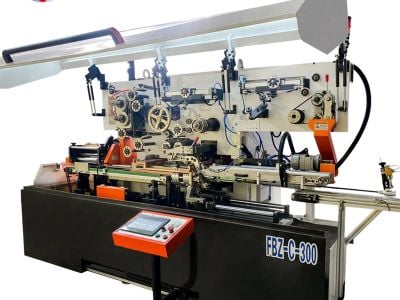
Seam Welding Machine Maintenance Guide for Efficient Daily Operations
A seam welding machine is an essential piece of equipment in factories and workshops. It is designed to join metal components by creating strong, continuous weld seams. This welding process is widely used in industries such as automotive manufacturing, construction, metal fabrication, and can production, where durable and leak-proof joints are required. Regular maintenance is essential to keep a seam welding machine operating efficiently and extending its service life. Proper care helps reduce downtime, improve weld quality, and maintain consistent production. At FST, we understand the importance of reliable equipment and provide high-quality seam welding machine solutions to support efficient manufacturing.
What Is a Seam Welding Machine and How Does It Work?
A seam welding machine is a specialized resistance welding system that joins two metal sheets by applying heat and pressure along a continuous seam. Unlike conventional spot welding, a seam welding machine creates an uninterrupted weld without gaps, producing strong, leak-proof joints. The machine uses rotating wheel electrodes that pass electrical current through the metal sheets. The electrical resistance generates heat, melting the edges of the metal while pressure from the electrodes fuses the materials together.
A seam welding machine is commonly used to manufacture fuel tanks, water tanks, pipes, metal containers, and other products that require continuous, airtight, or watertight seams. For example, when producing metal tanks, the machine creates complete seals that prevent liquid leakage.
Proper machine settings are critical. Operators must adjust the welding current, pressure, and travel speed according to the material type and thickness. Incorrect settings may result in weak or inconsistent welds. Proper operator training and routine inspections help ensure every seam welding machine delivers reliable performance.
How to Choose the Right Seam Welding Machine for Your Business?
Choosing the right seam welding machine is an important investment for any manufacturing business. Begin by considering the materials you plan to weld. Heavy-duty applications involving thicker metal sheets, require a more powerful seam welding machine, while lighter manufacturing operations may only require a compact model.
Production speed is another important factor. Some seam welding machines are designed for high-volume manufacturing, while others prioritize precision for specialized applications. Available workspace should also be considered. A smaller workshop may benefit from a compact seam welding machine, whereas large production facilities can accommodate larger automated systems.
Ease of operation is equally important. Modern seam welding machines often include digital controls, programmable settings, and automatic functions seam welding machine that improve efficiency. However, operators should receive proper training to maximize productivity. Finally, compare quality, performance, warranty, and long-term operating costs instead of choosing solely based on price. FST offers a wide range of seam welding machine solutions designed to meet different production requirements while providing dependable performance and lasting value.
Common Seam Welding Machine Problems and How to Solve Them
Like any industrial equipment, a seam welding machine may experience occasional operating issues. One common problem is weak or inconsistent weld quality. This is often caused by incorrect temperature settings, insufficient welding current, or inadequate pressure. Always verify machine settings before production begins. Dirty or rusty metal surfaces can also reduce weld quality. Cleaning workpieces with a wire brush or sandpaper before welding helps produce stronger seams.
Inconsistent welding speed is another frequent issue. If the seam welding machine moves too quickly or too slowly, weld quality may suffer. Adjust the welding speed according to the material thickness and production requirements. Unusual noises may indicate worn bearings, insufficient lubrication, or damaged automatic seam welding machine components. Regular lubrication and routine inspections help prevent costly repairs. Power supply problems can also affect performance. Ensure the seam welding machine receives a stable electrical supply and that all cables and connections are secure before operation. Routine preventive maintenance significantly reduces downtime and helps maintain consistent welding performance.
How to Optimize Daily Seam Welding Machine Operations?
Maximizing the efficiency of your seam welding machine begins with a structured daily maintenance routine. Inspect the machine before every production shift. Check for loose electrical connections, worn electrodes, damaged components, and unusual operating noises. Addressing small issues early helps prevent major equipment failures.
Keep the seam welding machine clean by removing dust, metal particles, and debris from moving parts. A clean machine operates more efficiently and reduces unnecessary wear. Operator training also plays a major role in productivity. Ensure all team members understand proper machine operation, safety procedures, and maintenance requirements. longitudinal welding machine production performance regularly by monitoring weld quality, machine output, and production efficiency. If productivity decreases, inspect the machine and review operating parameters to identify the cause.
As production demands increase, consider upgrading components or investing in newer seam welding machine technology to improve speed, automation, and overall efficiency. At FST, we believe that proper maintenance, regular inspections and operator training are the foundation of reliable, high-quality welding performance and long-term manufacturing success.
Table of Contents
- Seam Welding Machine Maintenance Guide for Efficient Daily Operations
- What Is a Seam Welding Machine and How Does It Work?
- How to Choose the Right Seam Welding Machine for Your Business?
- Common Seam Welding Machine Problems and How to Solve Them
- How to Optimize Daily Seam Welding Machine Operations?