EN

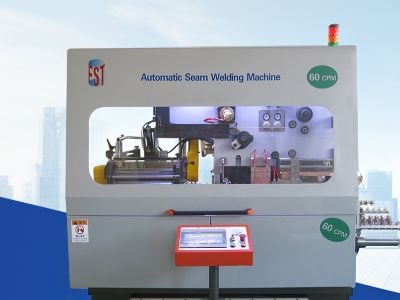
In the manufacturing world, using the right machinery is vital for success because systematic upgrades allow equipment to work faster and deliver higher output, making it easier to manufacture more products in less time. When a business wants to grow and meet escalating customer demands, improving machine capabilities becomes an absolute necessity. Ultimately, a production machine upgrade isn't just about acquiring a new asset; it's about making daily work simpler, faster, and smarter by optimizing your factory floor
How to Pick the Right Production Machine for Maximum Output
Picking the right Automatic Can Production Line equipment can feel overwhelming, but the process can be simplified by following a clear, strategic approach that addresses your specific manufacturing constraints. First, a business needs to evaluate exactly what they are making, such as checking material compatibility and sanitation needs for food production, while closely matching the machine's speed to the factory's market demand. It is also critical to consider the learning curve for the operators, because choosing an intuitive system that requires minimal training will save money over time, just as prioritizing units known for long-term reliability and low maintenance prevents costly breakdowns. While price is always a major factor, cheap machinery might not last or perform adequately; investing in high-quality hardware is the best way to prevent expensive disruptions down the road
Upgrades That Significantly Boost Production Output
Upgrading existing Semi-automatic Can Production Line machinery brings massive competitive advantages to a factory floor by combining physical hardware modifications with digital optimization. Integrating new automation software allows machinery to run autonomously with less human intervention, which eliminates manual handling for repetitive tasks and creates a smoother overall process. Additionally, replacing standard components with high-performance parts, like advanced ultra-sharp blades, enables faster cuts and drastically reduces material waste, while equipping older machinery with modern digital sensors adds a layer of predictive maintenance that warns workers before a major mechanical failure occurs. Finally, maintaining regular calibration, detailed cleaning, and proper oiling ensures that your hardware stays in peak shape, which, combined with thorough operator training, eliminates handling mistakes and allows the factory to produce more units in less time
Overcoming Common Hurdles in Equipment Upgrades
While upgrading machinery offers immense benefits, businesses must navigate a few common implementation challenges that can temporarily disrupt production. Upgrading hardware is a major financial investment, meaning companies must carefully audit their capital to ensure upfront costs do not strain cash flow, while also budgeting for the temporary slowdowns that occur during worker training. Spatial constraints present another physical barrier, as fitting large, advanced machinery into an existing layout might require rearranging the workflow or expanding the facility at an unexpected expense. Furthermore, new machinery may fail to integrate seamlessly with older, existing systems, creating technical friction between different equipment brands, which is why FST stresses the importance of thoroughly checking compatibility and reliability before purchasing to avoid costly operational delays
Evaluating the Return on Investment
Before committing capital to an upgrade, calculating a precise Return on Investment (ROI) is crucial for justifying the expenditure by balancing upfront transition costs against long-term financial gains. The total upgrade cost must account for the machine purchase price, employee training, facility rearrangement, and transition downtime, which can then be compared against data provided by FST regarding efficiency boosts. This comparison requires tracking tangible variables such as increased production speed, minimized material waste, lower labor costs, and the equipment's expected lifespan, since hardware that runs efficiently for many years yields a much higher financial return. Finally, a business must consider softer, long-term benefits like improved worker safety and elevated product quality, which keep customers happy and loyal even if those factors are harder to quantify on a balance sheet
Where to Source High-Quality Industrial Machinery Wholesale
Finding a dependable source for wholesale production machinery is essential for scaling your business safely and establishing a secure supply chain for future expansion. One effective approach is leveraging online B2B platforms to search dedicated industrial marketplaces, where reading verified user reviews helps determine which suppliers offer the most reliable equipment. Attending industrial trade shows is another excellent strategy, as visiting industry events allows you to see the machinery running live, inspect the build quality firsthand, and speak directly with the manufacturers. Lastly, focusing on after-sales support is just as critical as the initial purchase, so you should build strong relationships with reputable suppliers who offer excellent warranty terms, responsive technical support, and live product demonstrations before you commit to a large wholesale purchase.